
Unveiling Haryana's Model Economic Township: A New Era in Haryana Economic Development

The state of Haryana has long been recognized for its robust industrial base and strategic location in northern India. Recently, a significant development has been set in motion to further enhance its economic landscape. The creation of a model economic township in Haryana represents a transformative step towards integrated growth, combining industrial, commercial, and residential sectors within a single, well-planned environment. This initiative is poised to attract substantial investment and foster sustainable development, positioning Haryana as a premier economic hub.
Strategic Vision Behind Haryana Economic Development
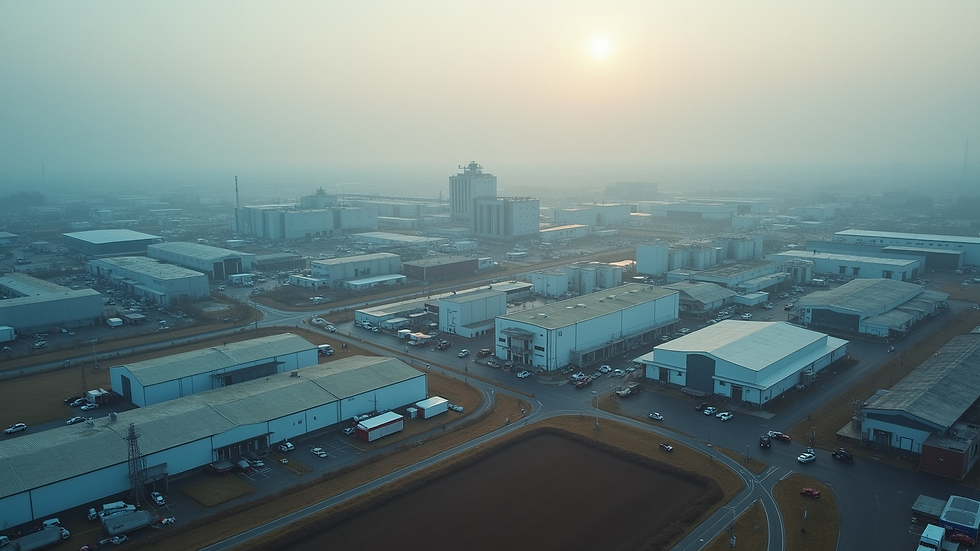
The vision for Haryana's economic development is grounded in the creation of a township that integrates multiple facets of urban and industrial planning. The township is designed to serve as a catalyst for economic activity by providing world-class infrastructure, seamless connectivity, and sustainable living conditions. This approach aligns with the broader goals of regional development, aiming to reduce urban congestion in existing cities while promoting balanced growth across the state.
Key elements of this vision include:
Integrated Infrastructure: The township will feature state-of-the-art transportation networks, power supply, water management, and waste disposal systems.
Industrial Clusters: Dedicated zones for manufacturing, technology, and logistics will be established to encourage sector-specific growth.
Residential and Commercial Spaces: Planned housing and commercial areas will support the workforce and business community, ensuring a live-work-play environment.
Sustainability Practices: Emphasis on green building standards, renewable energy, and efficient resource management will minimize environmental impact.
This comprehensive planning is expected to create a self-sustaining ecosystem that attracts industrialists, investors, and homebuyers alike.

Infrastructure and Connectivity: The Backbone of Growth
Infrastructure development is a critical component of the model economic township. The township is strategically located to leverage existing transportation corridors, including highways, railways, and proximity to major airports. This connectivity facilitates the smooth movement of goods and people, reducing logistical costs and enhancing business efficiency.
The township's infrastructure plan includes:
Road Networks: Wide, well-maintained roads connecting industrial zones with residential and commercial areas.
Public Transport: Efficient public transit options to reduce traffic congestion and promote sustainable commuting.
Utilities: Reliable power supply with backup systems, high-capacity water treatment plants, and advanced sewage management.
Digital Infrastructure: High-speed internet and communication networks to support modern business operations.
Such infrastructure ensures that businesses can operate without interruption, and residents enjoy a high quality of life. The township’s design also incorporates future scalability, allowing for expansion as demand grows.
Economic Opportunities and Investment Potential
The establishment of this township opens a wide array of economic opportunities. Industrialists and investors will find a conducive environment for setting up manufacturing units, research and development centers, and service industries. The township’s planned industrial clusters are tailored to attract sectors such as automotive, electronics, pharmaceuticals, and information technology.
Some of the investment advantages include:
Tax Incentives and Policy Support: The state government offers various incentives to encourage investment in designated economic zones.
Skilled Workforce Availability: Proximity to educational institutions and training centers ensures a steady supply of skilled labor.
Market Access: The township’s location provides easy access to domestic and international markets.
Quality of Life: Residential and recreational facilities enhance employee satisfaction and retention.
For homebuyers, the township offers modern housing options with amenities such as schools, hospitals, shopping centers, and parks. This integrated approach reduces commute times and fosters community living.

Sustainable Development Practices in the Township
Sustainability is a cornerstone of the township’s design. Recognizing the environmental challenges faced by rapidly urbanizing regions, planners have incorporated green technologies and eco-friendly practices throughout the development.
Key sustainability features include:
Renewable Energy Integration: Solar panels and wind energy installations to reduce dependence on fossil fuels.
Water Conservation: Rainwater harvesting systems and wastewater recycling to optimize water use.
Green Building Standards: Use of energy-efficient materials and designs to minimize carbon footprint.
Waste Management: Segregation, recycling, and composting facilities to manage solid waste responsibly.
Green Spaces: Parks, tree-lined streets, and open areas to improve air quality and provide recreational spaces.
These measures not only contribute to environmental preservation but also enhance the township’s appeal to environmentally conscious investors and residents.
Future Prospects and Impact on Regional Economy
The development of the model economic township in Haryana is expected to have a profound impact on the regional economy. By creating a hub that integrates industrial, commercial, and residential functions, the township will stimulate job creation, increase economic output, and improve living standards.
Anticipated outcomes include:
Increased Industrial Output: Concentrated industrial activity will boost production and exports.
Employment Generation: Diverse job opportunities across sectors will reduce unemployment.
Urban Decongestion: By providing an alternative urban center, pressure on existing cities will be alleviated.
Enhanced Investment Climate: Improved infrastructure and policy support will attract both domestic and foreign investors.
Social Development: Access to quality education, healthcare, and housing will uplift communities.
The township is positioned to become a model for future economic developments in India, demonstrating how integrated planning and sustainable practices can drive growth.
Embracing the Future with Model Economic Township Haryana
The initiative to develop a model economic township haryana represents a forward-thinking approach to economic development. It embodies the principles of integration, sustainability, and strategic planning, offering a blueprint for other regions to follow. Industrialists, businesses, investors, and homebuyers stand to benefit from the opportunities presented by this ambitious project.
As the township evolves, continuous engagement with stakeholders and adherence to best practices will be essential to realize its full potential. The success of this endeavor will not only enhance Haryana’s economic stature but also contribute significantly to India’s broader development goals.


Comments