
Why Gurugram's Model Economic Township Matters for Economic Township Development

The development of economic townships has become a pivotal strategy in fostering regional growth and attracting investment. Among the emerging examples, Gurugram's initiative stands out as a significant model for integrated urban and industrial planning. This article explores why Gurugram's model economic township matters, focusing on its potential to transform the economic landscape through strategic infrastructure, sustainable practices, and comprehensive planning.
The Importance of Economic Township Development in Gurugram
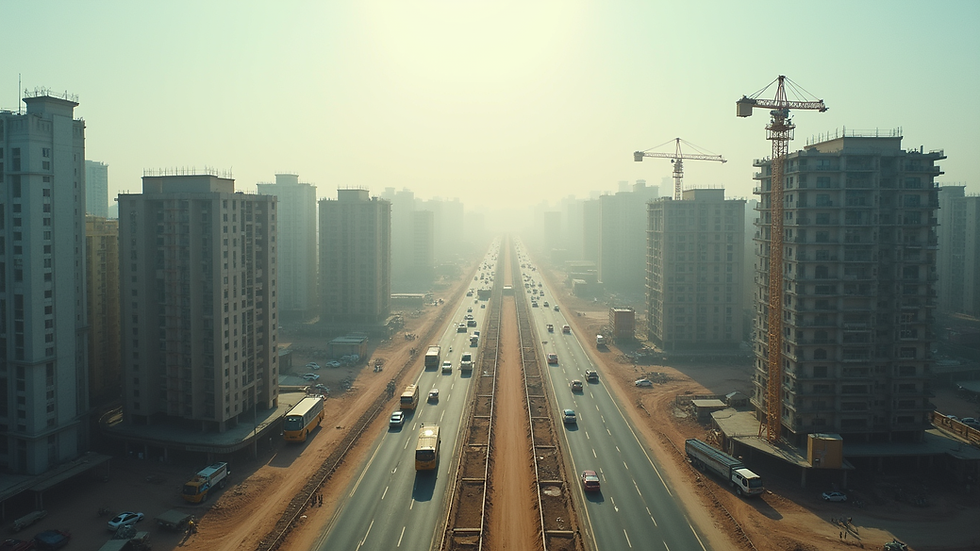
Economic township development is a critical factor in shaping the future of urban and industrial growth. Gurugram, a city already known for its rapid urbanization and commercial success, is now advancing with a model that integrates residential, industrial, and commercial zones into a cohesive township. This approach addresses several challenges faced by traditional urban centers, such as congestion, pollution, and fragmented infrastructure.
The township is designed to provide world-class infrastructure, including efficient transportation networks, reliable utilities, and green spaces. These features are essential for attracting businesses and residents alike. For industrialists and investors, the availability of such infrastructure reduces operational risks and enhances productivity. For homebuyers, the promise of a well-planned environment with access to amenities improves quality of life.
Moreover, the township's strategic location in Haryana positions it as a gateway to northern India’s markets. This geographical advantage facilitates logistics and supply chain efficiency, which are crucial for industries aiming to expand their reach. The township’s development is expected to generate employment opportunities, stimulate ancillary industries, and contribute to the overall economic growth of the region.
Key Features Driving Economic Township Development
Several features distinguish Gurugram's economic township from conventional urban projects. These elements collectively contribute to its significance and potential success:
Integrated Land Use Planning
The township combines industrial, commercial, and residential zones in a manner that minimizes travel time and maximizes efficiency. This integration supports a live-work-play environment, reducing the need for long commutes and promoting sustainable urban living.
Sustainable Infrastructure
Emphasis is placed on green building practices, renewable energy integration, and water conservation. These measures not only reduce the environmental footprint but also lower operational costs for businesses and residents.
Robust Connectivity
The township is planned with seamless connectivity to major highways, rail networks, and airports. This connectivity is vital for businesses that depend on timely logistics and for residents who require easy access to metropolitan centers.
Smart City Technologies
Incorporation of digital infrastructure such as IoT-enabled utilities, smart traffic management, and security systems enhances the township’s efficiency and safety.
Economic Incentives
The township offers various incentives to attract investment, including tax benefits, simplified regulatory processes, and support services for startups and established enterprises.
These features collectively create an environment conducive to sustainable economic growth and improved living standards.
The Role of Model Economic Township Gurugram in Regional Growth
The model economic township gurugram initiative is not merely a real estate project but a comprehensive economic development strategy. It aims to position Gurugram as a premier integrated economic hub in Haryana. This ambition aligns with broader state and national goals of promoting industrialization, urbanization, and sustainable development.
By attracting a diverse range of industries, from manufacturing to IT services, the township is expected to diversify the economic base. This diversification reduces dependency on any single sector and enhances resilience against economic fluctuations. Additionally, the township’s design encourages innovation and collaboration by clustering complementary industries and providing shared facilities.
The residential component ensures that the workforce has access to quality housing, education, healthcare, and recreational facilities. This holistic approach addresses the social dimensions of economic development, which are often overlooked in purely industrial zones.

Practical Implications for Industrialists, Businesses, and Investors
For industrialists and businesses, the township offers several practical advantages:
Reduced Operational Costs: Efficient infrastructure and utilities lower expenses related to energy, water, and transportation.
Enhanced Market Access: Proximity to major transport corridors facilitates distribution and supply chain management.
Skilled Workforce Availability: The township’s residential areas and educational institutions help attract and retain talent.
Regulatory Ease: Streamlined approvals and support services reduce bureaucratic delays.
Sustainability Compliance: Green infrastructure helps meet increasingly stringent environmental regulations.
Investors benefit from the township’s potential for capital appreciation and steady rental income due to high demand for commercial and residential spaces. The township’s planned growth trajectory and government backing provide a level of security and predictability that is attractive for long-term investments.
Homebuyers also gain from living in a well-planned environment that balances work and leisure, with access to essential services and green spaces. This improves lifestyle quality and property value appreciation.
Future Prospects and Strategic Recommendations
Looking ahead, the success of Gurugram’s model economic township will depend on several factors:
Continuous Infrastructure Upgrades: To keep pace with technological advancements and population growth.
Sustained Policy Support: Government incentives and regulatory frameworks must remain favorable.
Community Engagement: Involving residents and businesses in decision-making to ensure the township meets evolving needs.
Focus on Sustainability: Expanding renewable energy use and waste management practices.
Promotion of Innovation: Establishing incubators and research centers to foster entrepreneurship.
Stakeholders are encouraged to monitor development progress, participate in planning forums, and leverage available incentives. Collaboration between public and private sectors will be essential to realize the township’s full potential.
In summary, Gurugram’s model economic township represents a forward-thinking approach to urban and economic development. Its integrated design, strategic location, and sustainable practices make it a significant project with the capacity to drive regional prosperity and set a benchmark for future developments.


Comments